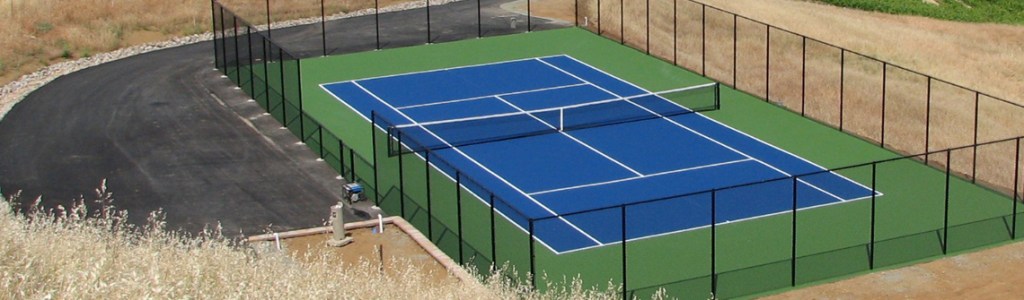
There’s something quietly honest about a tennis court. It doesn’t hide much. Cracks show up when maintenance slips. Faded lines tell you how many matches have been played under the sun. A well-kept surface, on the other hand, has a way of inviting people in — early morning rallies, weekend league games, kids learning how to serve.
Most people don’t think about courts until something goes wrong or until they decide, “Maybe it’s time to build one.” That’s usually when the questions start piling up. How hard is it to maintain? What does it really cost? And why do some courts feel fast and forgiving while others punish your knees after an hour?
This isn’t a technical manual. It’s more of a grounded walk through what actually matters when you’re living with a tennis court — whether you already have one or you’re planning for the first time.
Courts age, even when you don’t notice at first
A tennis court doesn’t fail overnight. It whispers before it shouts. Hairline cracks appear near the baseline. Water stops draining the way it used to. The bounce gets unpredictable — not terrible, just… off. Many owners ignore these signs, hoping one more season won’t hurt.
Eventually, though, those small issues stack up. That’s when tennis court repair stops being optional and starts being unavoidable. Addressing problems early often means resurfacing or patch work instead of a full rebuild. The difference can be tens of thousands saved, not to mention less downtime.
Repair isn’t just cosmetic. It’s about restoring consistency, player safety, and surface integrity. A cracked acrylic court, for example, can lead to trip hazards. Clay courts left unmanaged lose their structure and play unevenly. Even synthetic grass courts compact and wear in ways that change how the game feels.
Building a court is part engineering, part patience
From the outside, a tennis court looks simple — a rectangle, a net, some lines. Underneath, it’s layered like a good cake. Sub-base preparation, drainage, slope, surfacing materials, coatings — each layer has a job, and shortcuts tend to show up later.
The most common regret people share after construction isn’t about colour choice or fencing height. It’s about rushing decisions. Local climate, soil conditions, intended usage (private practice vs club-level play) all shape what kind of court will last.
When people start researching the cost to build a tennis court, they’re often surprised by the range. And honestly, that range exists for a reason. A basic hard court in a dry, stable region is very different from a clay or cushioned acrylic court in an area with heavy rainfall. Materials, labour, permits, and even access for construction equipment affect final numbers more than glossy brochures suggest.
Surface choice changes the relationship you have with the court
Hard courts are popular because they’re durable and relatively low-maintenance. They’re predictable, fast enough for competitive play, and familiar to most players. Clay courts slow things down, reward strategy, and are gentler on joints — but they demand attention. Synthetic turf sits somewhere in between, often chosen for multi-use or aesthetic reasons.
What matters most isn’t which surface is “best” but which fits your lifestyle. A private homeowner who plays twice a week may prioritise low upkeep. A club hosting tournaments might accept higher maintenance in exchange for premium play quality.
This is where tennis court installation becomes less about construction and more about alignment — matching expectations with reality. The best installers spend as much time asking questions as they do laying materials.
Maintenance is quieter than repair, but far more powerful
There’s a rhythm to good court care. Cleaning debris before it stains. Repainting lines before they fade completely. Monitoring drainage after heavy rains. None of this feels urgent, which is why it’s often skipped.
Yet consistent maintenance extends a court’s life dramatically. Think of it like servicing a car. You can drive without oil changes for a while, but eventually the engine lets you know.
Clubs that schedule regular inspections tend to avoid emergency closures. Homeowners who budget modest annual upkeep rarely face shocking repair bills. It’s not glamorous work, but it keeps the court playable — and enjoyable.
The emotional side people don’t talk about
Here’s something rarely mentioned: a tennis court becomes part of daily life. It’s where routines form. Morning stretches turn into habits. Matches turn into friendships. Kids grow up learning how to compete, lose, and try again.
When a court is neglected, people stop using it. Slowly at first. Then completely. When it’s cared for, it pulls people back in. That’s not something you can measure on a spreadsheet, but it matters.
Owners who invest thoughtfully — in construction, repair, and upkeep — often talk about pride. Not in the surface itself, but in what it enables.
Thinking long-term beats thinking cheap
The temptation to cut costs is real, especially during construction. Cheaper coatings, thinner base layers, rushed timelines. Sometimes those choices work out. Often, they don’t.
Long-term value comes from balance. Spending where it counts. Saving where it doesn’t compromise structure. Choosing professionals who explain trade-offs honestly instead of promising perfection.
A tennis court isn’t just an expense. It’s an asset — practical, social, and even emotional. Treated that way, it pays you back in years of reliable play and fewer surprises.
A final thought before you decide anything
Whether you’re patching a few cracks or dreaming about a brand-new court, slow down the decision process. Ask questions. Look at past projects. Talk to people who’ve lived with their courts for five or ten years.
 Site Title
Leave a comment